
Home is not risk-free

Pet insurance for indoor cats

Consider illness protection and household mishaps alongside the routine care you can plan for.

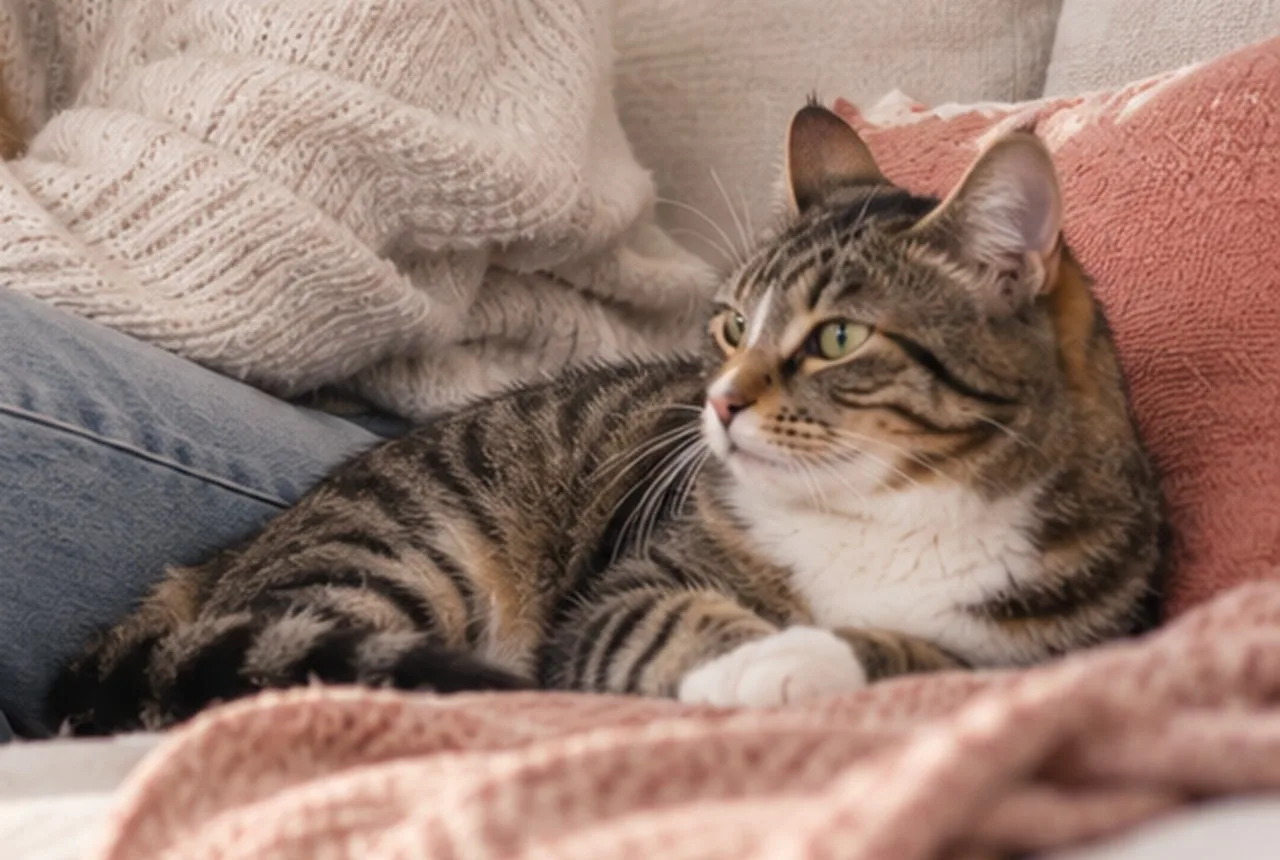
Tabby cat resting on a pink blanket beside its owner indoors
✓ Policy-first ✓ Independent ✓ Useful checks
Direct answer
An indoor cat can still benefit from pet insurance because staying inside does not eliminate illness or household accidents. Consider whether you could fund unexpected veterinary treatment, then compare accident-and-illness cover with your cat’s history. Routine examinations and vaccines usually need their own budget or an optional preventive benefit.
What to know

Look beyond the risks outside the front door

An indoor-only lifestyle removes some exposures but leaves others. Cornell’s feline health guidance identifies household hazards such as toxic plants and human medications. If you suspect poisoning, contact a veterinarian promptly; do not wait for an insurance answer before arranging care.

The insurance question is not whether every indoor cat will have an emergency. It is whether you want to retain the full financial risk of an eligible unexpected event. Make that decision with the contract’s exclusions and your available cash in view, rather than treating “indoor” as a guarantee.

Keep prevention and insurance separate. Safer storage and a cat-appropriate home can reduce avoidable hazards, while a policy addresses only the financial consequences of covered events. Buying cover is not a reason to relax household precautions.

What to know

An accident-only policy leaves the illness question open

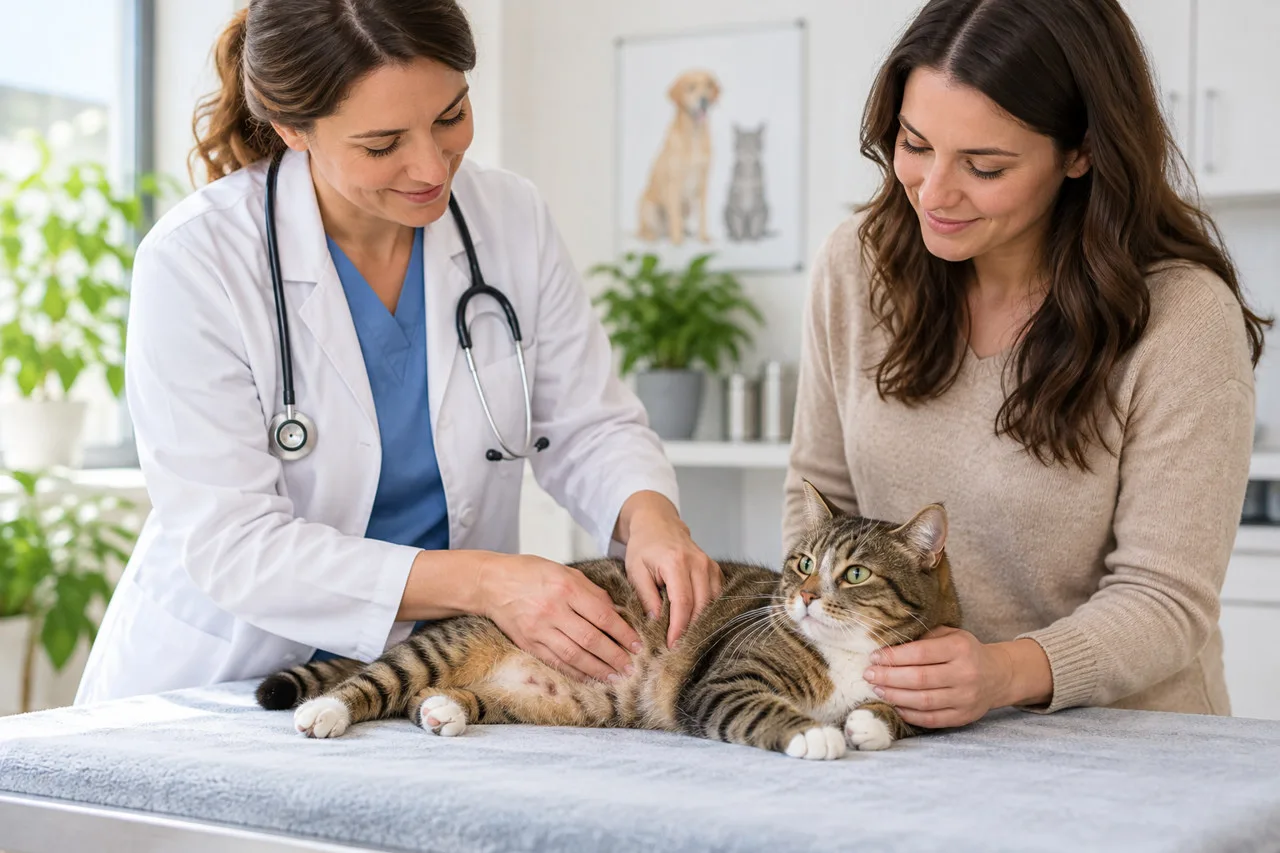
Veterinarian examining a tabby cat with the owner
Indoor living does not replace examinations or investigation of new symptoms.

Cornell lists age, obesity and physical inactivity among factors associated with feline diabetes. That does not predict a diagnosis for your cat, but it illustrates why illness risk is not limited to animals that go outdoors. Ask your veterinarian about the individual cat’s health and preventive needs.

If you are considering accident-only insurance because the cat rarely leaves home, compare it with accident-and-illness protection. Ask how each policy would treat diagnostics, continuing medication and follow-up for an eligible new illness. Also identify charges such as examination fees that might need a separate benefit.

A known diagnosis or earlier symptom can change this analysis. A new policy may exclude related care while still covering eligible unrelated problems. Describe the history honestly and ask what remains insurable instead of assuming that an indoor lifestyle changes the exclusion.

Cost & value

Vaccinations and checkups are still a separate budget

Cornell’s vaccination guidance includes core vaccine needs for cats kept indoors. The actual plan should be individualized by the veterinarian using age, history and exposure risk. An insurance package’s vaccine allowance is not the medical recommendation.

For planned care, compare paying the clinic directly with adding a preventive option. Use only benefits you expect to use, subject to the package’s caps. A wellness budget cannot replace the illness coverage you may want for an unexpected diagnosis.

Dental language also needs care. Ask separately about accidental tooth injury, dental disease and routine cleaning. Do not assume a preventive package includes all dental treatment, or that an optional dental benefit removes every prior-condition restriction.

Decision guide

Choose according to the bill you could absorb

You have a substantial accessible reserve

Self-funding may be a workable choice if you are comfortable using that money for veterinary treatment. Decide the amount you would really make available.

A large bill would strain essentials

Compare a sustainable medical-policy premium and a deductible you could fund without depending on instant reimbursement.

A cat policy is a continuing expense even in a year without claims. Do not judge it only by whether routine appointments repay the premium. Conversely, a policy with major exclusions for your cat may offer less useful protection than the headline suggests.

For a two-cat household, perform the check separately for each cat rather than assuming the same history, deductible balance or benefit use. Ask how the actual offer treats each animal; a multi-pet discount does not itself explain the coverage.

Coverage

Keep a simple indoor-cat coverage record

  • The medical history and any exclusions the insurer has identified.
  • The policy’s accident, illness and dental scope, with optional benefits separated.
  • The amount you can pay at the clinic before reimbursement.
  • Your regular and emergency veterinary contacts, plus where records are stored.
  • The next routine-care tasks agreed with your veterinarian, budgeted independently from unexpected treatment.

Revisit the decision if the cat’s health, your finances or living arrangements change. If you already have useful coverage, inspect any replacement carefully before canceling; a new insurer can reassess prior symptoms. The goal is a payment plan that remains workable when the cat needs care, whether that plan includes insurance or self-funding.

Evidence

Sources and policy context

These public references support the consumer or veterinary context. Named insurer details were checked in official product materials; the policy offered for your pet and state determines the actual terms.

Next step

Compare Current Pet Insurance Rates

Check current options for your pet and location, then compare the policy details, exclusions, costs, and eligibility before choosing.

Compare the policy before you choose Check the actual offer, exclusions and out-of-pocket terms.
See Rate Options